 Bollywood
Dhurandhar 2: The Revenge Faces Legal Battle As Trimurti Films Sues Aditya Dhar's Banner Over Copyright
BY CHRISTA LINCY
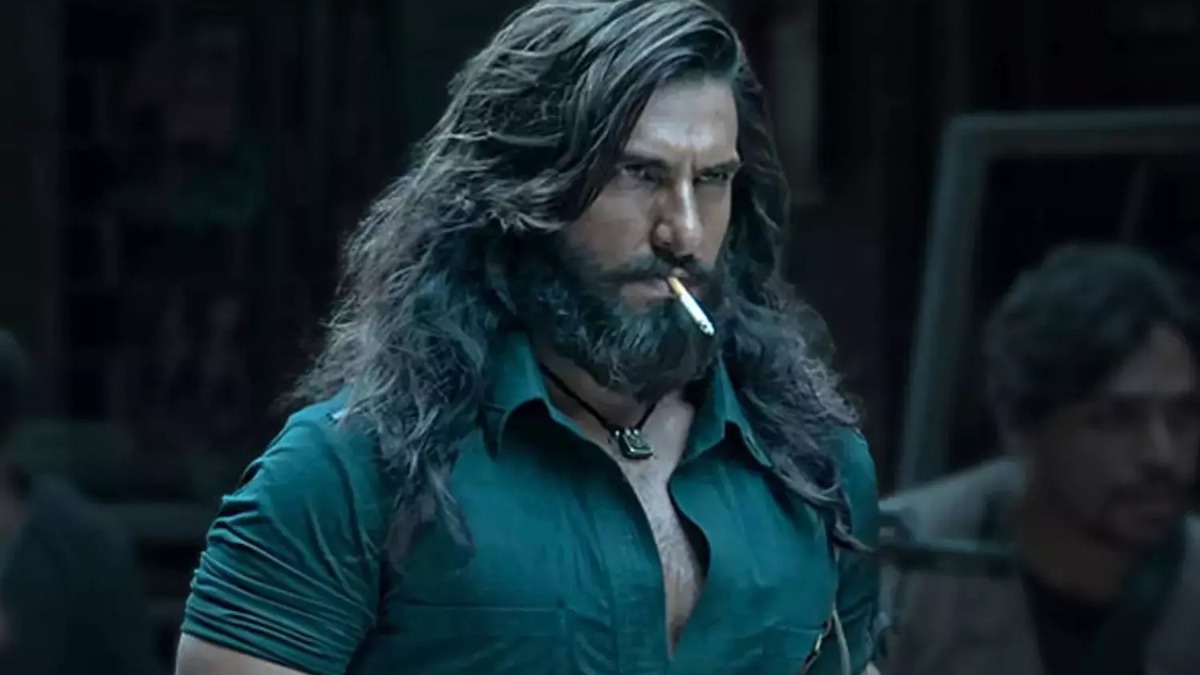
While Dhurandhar 2: The Revenge continues to set the box office on fire with its record-breaking run, the production has hit a significant legal roadblock. In a fresh development that has caught the industry’s attention, Trimurti Films has moved the court against filmmaker Aditya Dhar's production banner, B62 Studios. The lawsuit alleges unauthorized usage of a classic musical property within the film, potentially complicating the movie's continued commercial exploitation across various platforms. The core of the dispute revolves around the iconic track Tirchi Topiwale, a song that originally featured in the 1989 blockbuster Tridev. Trimurti Films, the original producers of the 1989 film, have alleged that Dhurandhar 2 has utilized a version substantially similar to this classic in its new track titled Rang De Lal. According to reports from Bar and Bench, the lawsuit claims that this was done without obtaining the requisite licenses or permissions from the rightful owners of the musical work. Tracing the origins of the original composition, Tirchi Topiwale was a cultural phenomenon in the late 80s, composed by the legendary duo Kalyanji-Anandji with lyrics penned by Anand Bakshi. The vocals were provided by Amit Kumar and Sapna Mukherjee. Trimurti Films asserts complete ownership and control over both the musical composition and the sound recording rights. The legal plea argues that the use in the new film amounts to a clear case of copyright infringement, involving unauthorized reproduction and communication of the protected work to the public. (adsbygoogle = window.adsbygoogle || []).push({}) The legal implications for the makers of Dhurandhar 2 could be far-reaching if the court sides with the plaintiffs. Trimurti Films is seeking an immediate injunction to restrain any further use of the song in the film's theatrical run, promotional materials, and upcoming digital releases. Beyond the stay on the song's usage, the lawsuit also seeks significant financial damages and other consequential reliefs. This move puts a spotlight on the critical nature of music rights clearance, especially when dealing with high-stakes blockbuster sequels. As the legal proceedings move forward, the focus remains on the eventual resolution of the dispute between the two parties. While the movie continues its dominant theatrical journey, the outcome of this lawsuit will be particularly relevant for its upcoming transition to streaming and satellite platforms. As of now, Aditya Dhar and B62 Studios have not issued a formal response to the claims, but the case serves as a notable reminder of the complexities involved in music licensing within the modern film industry.